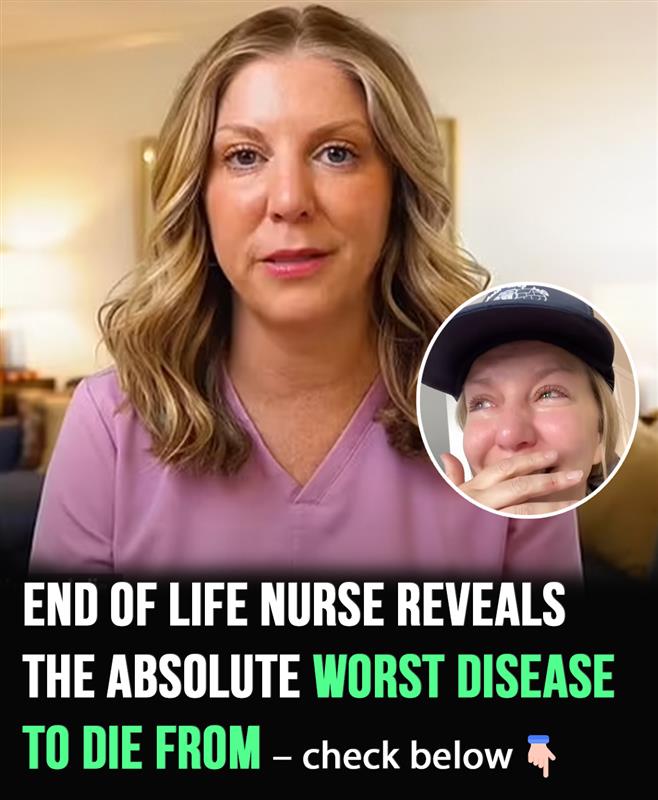
For most of us, death is something we avoid thinking about — until we must. But for hospice nurse Julie McFadden, it’s part of everyday life.
After guiding over 100 patients through their final moments, this California nurse shares which diseases cause the most suffering and which allow for peace. Her honest reflections on death have resonated deeply with those who’ve watched loved ones fade away.
The Cruelest Death: ALS
McFadden calls ALS (Lou Gehrig’s disease) “the cruelest death I’ve ever seen.” The disease slowly paralyzes the body while leaving the mind intact, trapping patients in failing bodies.
“Watching someone you love fade like that, knowing they’re still in there? It’s devastating,” one commenter shared.
By 2030, about 36,300 Americans will be diagnosed with ALS. Most die within 14 months, and there’s still no cure.
Another Brutal End: Glioblastoma
McFadden also points to glioblastoma, an aggressive brain cancer that quickly steals memory, movement, and personality. Most patients live only 12–18 months after diagnosis. Families describe it as “watching someone disappear in real time.”
A Peaceful Passing: Kidney Failure
In contrast, end-stage kidney failure can bring a calm, painless death when dialysis is stopped intentionally. “Patients just get sleepy and don’t wake up,” McFadden explains. Families often describe these moments as peaceful and full of love.
Why It Matters
McFadden’s stories go beyond medicine — they’re about dignity and compassion in life’s final chapter. As society rethinks how we care for the dying, her message is clear: how we die matters.
With the right support, even the hardest goodbyes can be filled with peace and love.