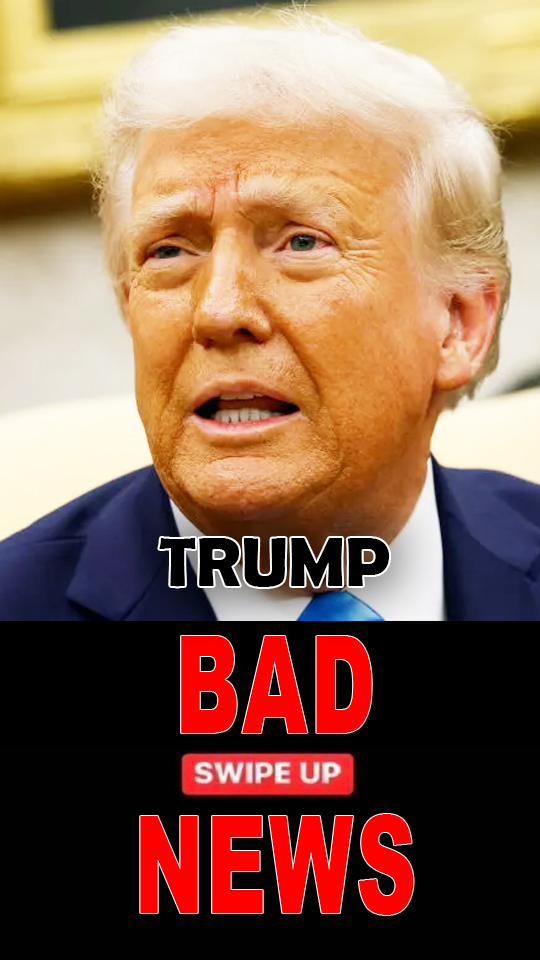
Trump Denies Inflation as Economic Concerns Persist
President Donald Trump recently told CBS that “we don’t have inflation” and claimed “food prices are going down.” He has made similar statements for months, urging the Federal Reserve to cut interest rates.
While inflation is far below its peak under Joe Biden, it hasn’t vanished — the Consumer Price Index rose 3% in September, still above the Fed’s 2% target. Analysts say Trump’s denial risks repeating Biden’s mistake of downplaying economic pain.
Polls show most Americans view the economy as unstable, with nearly 60% blaming Trump for higher costs. Despite solid growth, households face cumulative inflation: prices remain far higher than in 2021, costing the average family $208 more per month than a year ago.
Fed Chair Jerome Powell noted that “consumers don’t care about political narratives — prices are higher.” Analysts warn that dismissing voters’ lived experiences could politically backfire, as it did for Biden.
Trump’s economic challenges extend beyond inflation. His trade policies and talk of weakening the U.S. dollar risk undermining its global dominance. Experts warn that reducing the dollar’s role could raise U.S. borrowing costs, weaken economic influence, and erode its “exorbitant privilege.”
In short, Trump’s denial of inflation and risky dollar policies may deepen public frustration and damage America’s long-term economic standing.