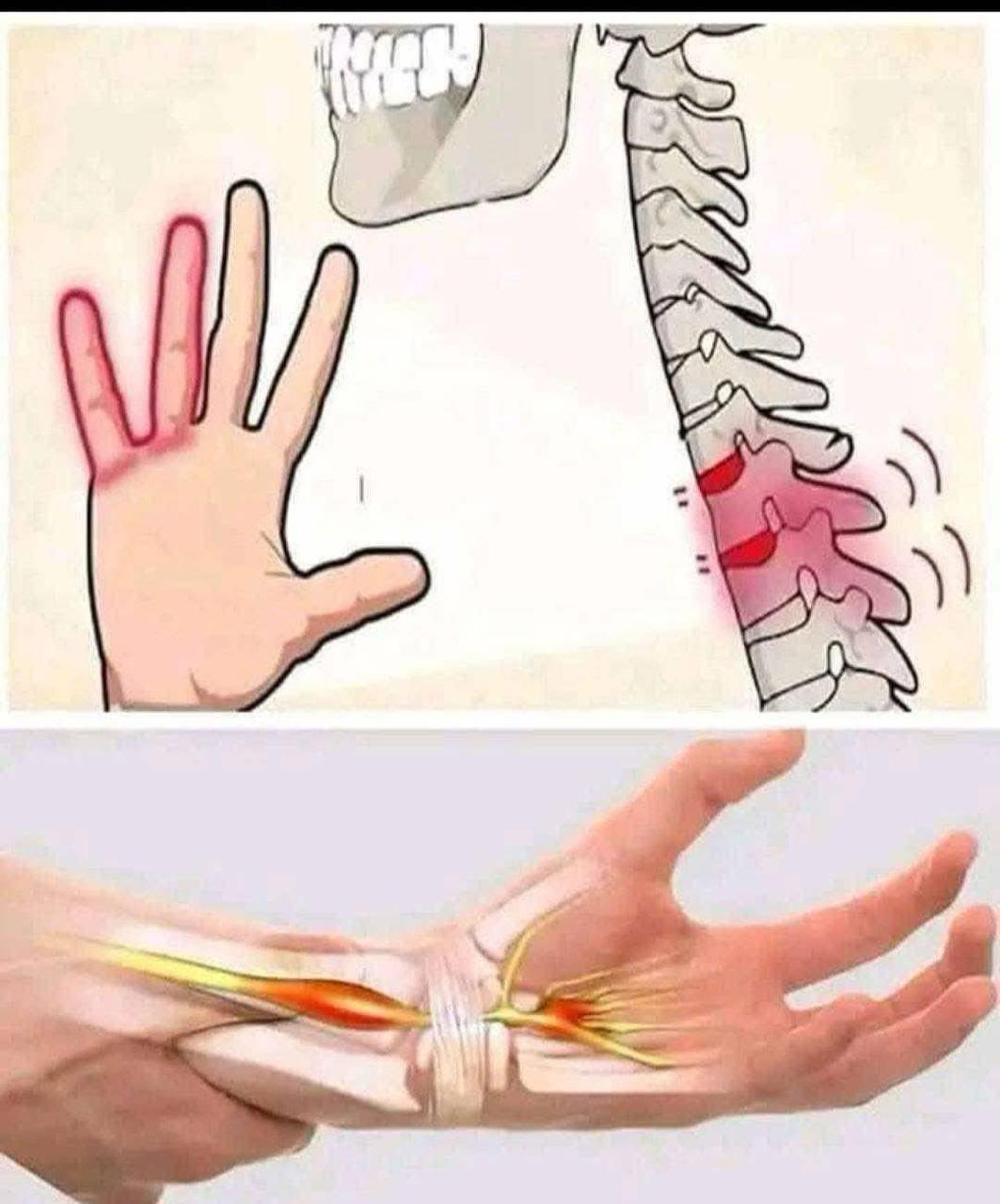
If you’re like me, you’ve probably woken up with a tingling feeling in your arms, hands, or fingers — when your limb “falls asleep” and takes a moment to regain feeling.
This sensation, often called “pins and needles,” is known medically as paresthesia. It feels like tingling, numbness, or burning and usually happens when pressure is placed on a nerve, such as when you stay in one position too long. This temporary form is called transient paresthesia.
While usually harmless, paresthesia can also result from conditions like nerve injuries, herniated discs, or other neurological issues.
Relieving tingling:
Move, stretch, or massage the affected area to restore blood flow and nerve function.
When to see a doctor:
Seek medical attention if paresthesia:
-
Starts suddenly or follows a head injury
-
Involves an entire limb or both sides of the body
-
Comes with weakness, confusion, dizziness, speech problems, or a severe headache
-
Worsens over time or relates to repetitive motions
Chronic paresthesia can stem from nerve damage or diseases such as stroke, multiple sclerosis, carpal tunnel syndrome, or tumors.