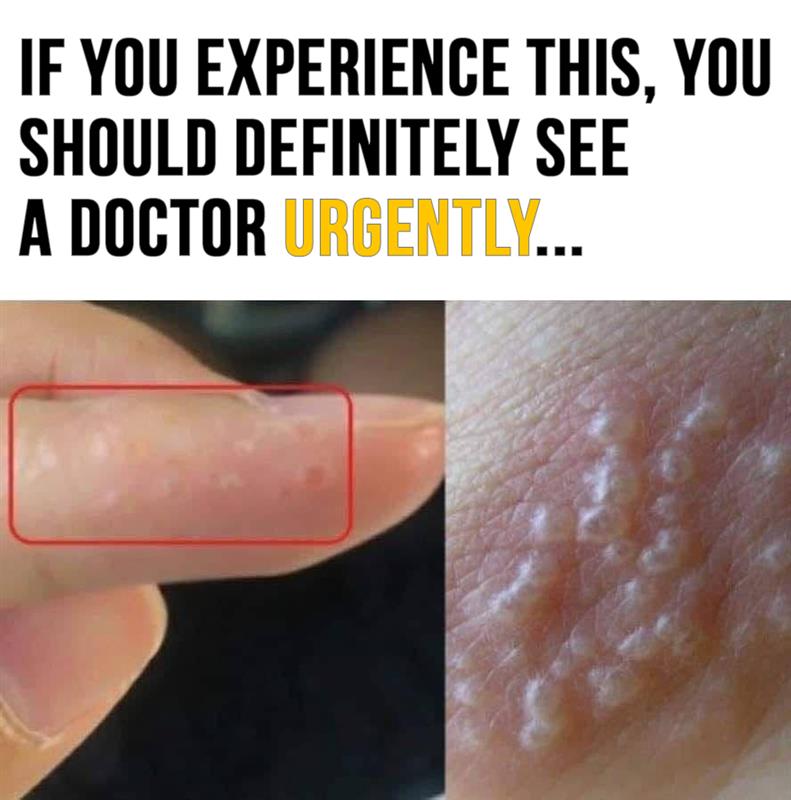
Many skin disorders can make life miserable, but most are treatable today, though complications can still arise.
One particularly troublesome condition is dyshidrotic eczema, a type of eczema that causes small, itchy blisters on the hands and feet. Unlike traditional eczema—which leads to dry, itchy patches—this form results in deep-set blisters that can crack, peel, and heal with scaling over several weeks.
Eczema (dermatitis) affects about 31.6 million Americans—around 10% of the population. Those with contact dermatitis, atopic eczema, or hay fever are more prone to developing dyshidrotic eczema. Triggers include allergies, stress, and frequent moisture or sweat on the hands and feet.
Symptoms include blisters, itching, redness, flaking, cracked skin, and pain. A proper medical diagnosis is essential before treatment, as the exact cause remains unknown and flare-ups can’t always be prevented.
Treatment options typically involve medicated creams, UV light therapy, antihistamines, and immune-suppressing ointments such as Protopic or Elidel. Maintaining clean, moisturized skin is key to management.
At-home remedies can also help:
-
Cold compress: Apply for 15 minutes, two to four times daily, followed by moisturizer.
-
Aloe vera: Use fresh gel or store-bought lotion to soothe inflammation.
Consistent skincare can help strengthen the skin and reduce flare-ups.