Another day, another Donald Trump controversy.
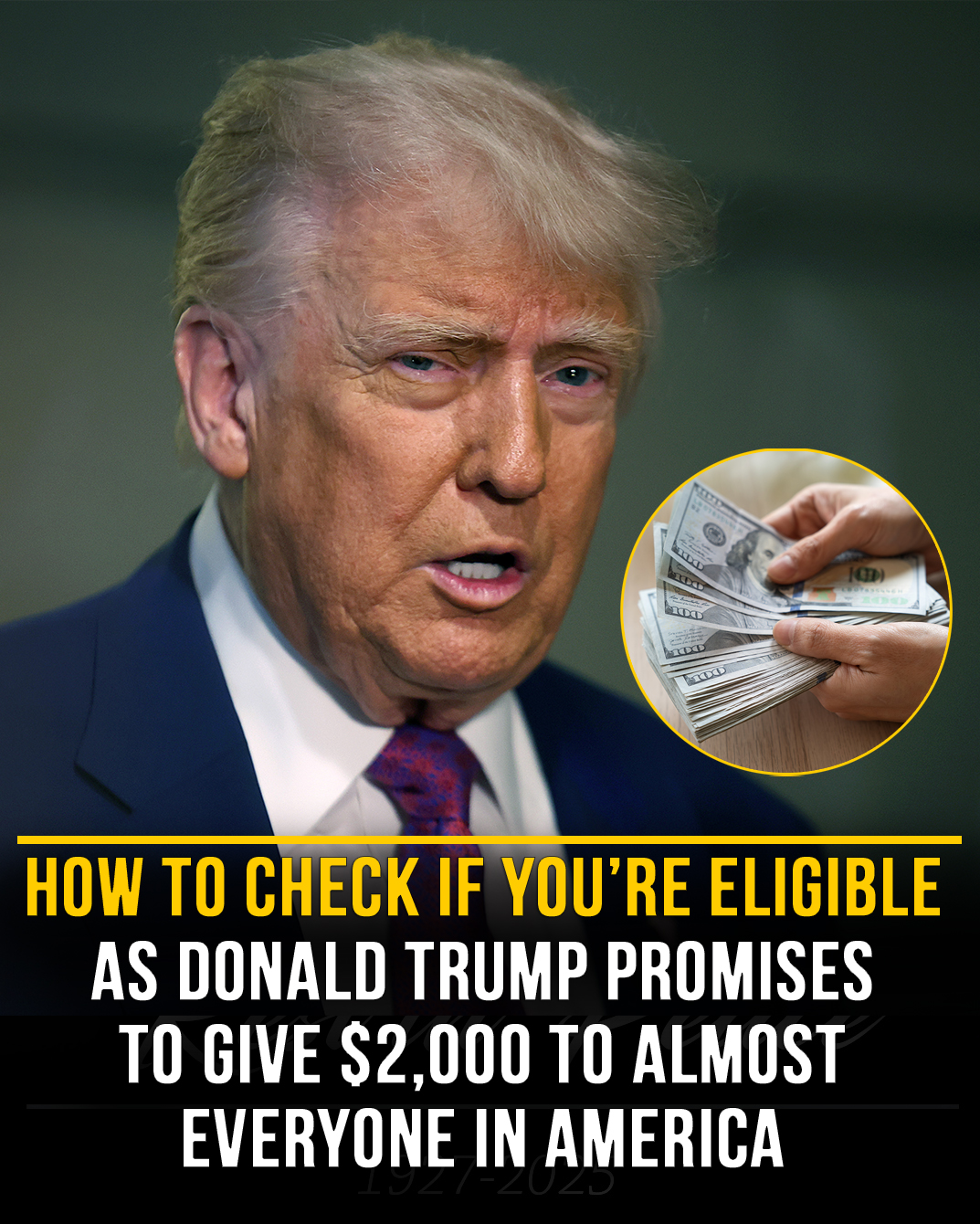
The president has made sweeping promises over the past year — from releasing the Epstein files to ending the Russia-Ukraine war — none of which have materialized. So, when Trump announced a $2,000 “dividend” from tariff revenue, skepticism was inevitable.
“People will receive at least $2,000 each (not including high-income people),” Trump wrote on Truth Social, without clarifying eligibility or timing.
He hailed his tariff program as a huge success, claiming it made the U.S. “the richest, most respected country in the world” with “record stock prices” and plans to pay down the $37 trillion debt.
Analysts quickly questioned the feasibility. The Guardian estimated the plan could cost $300–$513 billion — far beyond the roughly $90 billion in tariff revenue. Economist Erica York noted that even with a $100,000 income cutoff, 150 million adults would qualify, making it fiscally unrealistic.
Legal issues also threaten the plan. Several courts have ruled Trump’s tariff approach illegal, and if the Supreme Court agrees, any related payouts would vanish.
In short, Trump’s $2,000 promise sounds appealing — but without details, funding, or legal certainty, it’s best not to count on seeing that money anytime soon.